







Search Results for: New Oriental Region
Colombia · Huila Department: Balanced Sweetness of the Andes
Huila is Colombia's most prestigious specialty coffee region, and the coffee produced here is famous for its balanced acidity and sweetness, pronounced caramel sweetness, and clean cup profile. This article guides you through Huila's geography, varieties, flavors, and brewing. [more…]
Underrated Pour-Over Origins Worth Trying: Bolivia, Papua New Guinea, and Yunnan
Pour-over enthusiasts who are used to drinking beans from popular regions like Ethiopia, Kenya, and Colombia sometimes want to change things up. In fact, there are some lesser-mentioned regions whose flavors are just as distinctive, and whose prices are relatively friendly—worth setting aside a spot for and trying slowly. Bolivia is a high-altitude origin that has gradually gained attention in recent years [more…]
Ethiopian Huakui Coffee Beans | Are all coffees from Ethiopia's Hambela region called Huakui coffee?
This year marks the 9th year since "Huakui Coffee" rose to fame. If the previous naming conventions were followed, the Huakui released this year should logically carry a "9.0" suffix. But more than half the year has passed, and many friends have noticed that "Huakui 9.0" is almost nowhere to be seen on the menus of offline coffee shops! [more…]
Ethiopia Sidamo Hambela Huakui 4.0: Dega Variety Natural-Process Coffee Bean Flavor and Pour-Over Analysis
In 2017, a naturally processed coffee from the Buku processing station in Ethiopia won the TOH competition and was named "Huakui" by a Chinese green bean trader, thus beginning the legendary journey of this coffee. Four years later, Huakui 4.0 was released with the entirely new Dega variety, with the production area expanded several times over, more scientific cultivation and management, and even better flavor performance. This article will take you through the origin background of Huakui 4.0, the characteristics of the Dega variety, the natural processing method, and Front Street Coffee's roasting and pour-over recommendations, offering a comprehensive analysis of this highly anticipated Ethiopian coffee. [more…]

What are coffee green bean processing methods? What are the operational procedures for the natural, washed, and honey processing methods? What are the differences, characteristics, and flavor profiles of natural, washed, and honey processed coffee?
Coffee green beans are not simply picked from the tree and then roasted and brewed right away; achieving good flavor requires many steps. People often assume that coffee flavor depends on variety, growing environment, and cultivation methods, but what they don't realize is that there is an important stage between growing and roasting called "coffee bean processing." [more…]
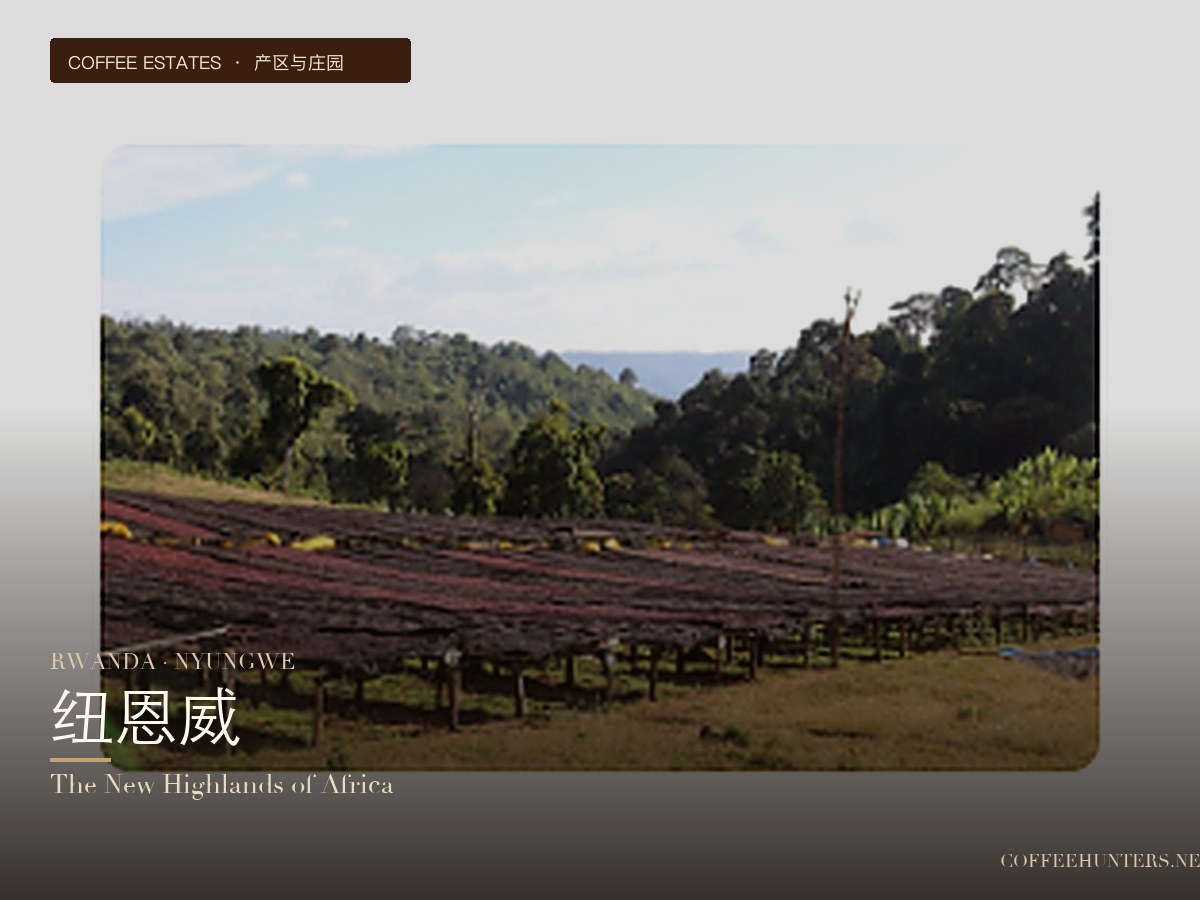
Rwanda Nyungwe: Africa's New Highland for Specialty Coffee
Rwanda is a latecomer to African specialty coffee, and Nyungwe is its core producing region. This article takes you through the rapid rise of Rwandan coffee, the characteristics of the Nyungwe region, and its flavors in the cup. [more…]
Recommendations for Light Roast Pour-Over Beans | Are Ethiopian G1 Coffee Beans the Best Quality? Is the New-Crop Natural Huakui Single-Origin Bean Suitable for Beginners?
G1 is the highest grade for Ethiopian green coffee beans. Front Street's washed Gedeb, Front Street's natural Red Cherry, Front Street's Kaffa Forest, and the most popular Front Street Huakui all belong to G1. However, due to different producing regions and processing methods, each coffee bean displays its own distinct flavor characteristics. For example, this year's new [more…]
How to Choose Blue Mountain Coffee: Balancing Budget and Drinking Frequency
理解牙买加蓝山咖啡,需要把风味描述转成能喝到的感受。日常买豆需要考虑喝得快不快、一次买多少,以及家里主要做黑咖啡还是奶咖。花香、果酸、坚果和可可并不是高低之分,而是不同方向,适合自己的那一类才有长期参 [more…]
Yirgacheffe Coffee Beans | What Are Yirgacheffe Coffee Beans? An Introduction to the Flavor and Characteristics of Ethiopian Yirgacheffe Coffee Beans
For coffee lovers, among the coffees they've tried, there's always at least one African coffee bean. Among them, the Ethiopian Yirgacheffe coffee beans, originating from the birthplace of Arabica, are highly renowned for their excellent flavor and are much loved by many. In recent years, domestic specialty coffee has developed rapidly, and this coffee, which enjoys great fame in the international coffee circle, [more…]
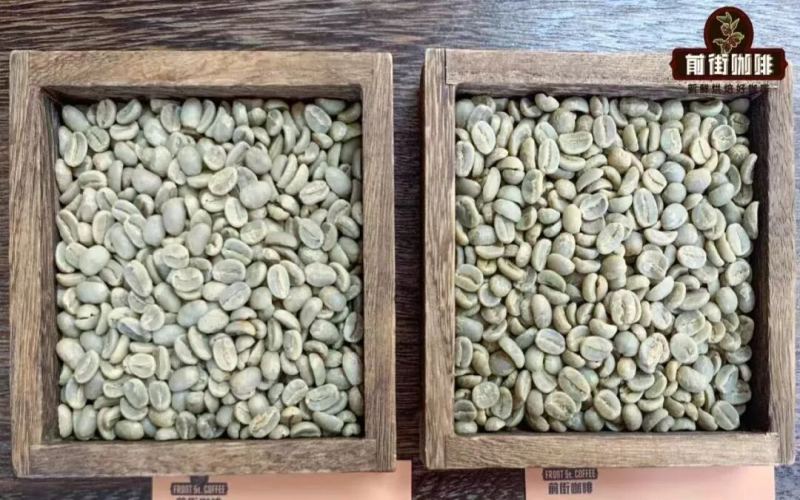
PNG coffee | Why does Papua New Guinea coffee have the name "Little Blue Mountain"? What are the flavor characteristics of the Sigri Estate Bird of Paradise washed Typica?
Because Blue Mountain coffee was overly famous in the last century, many related "borderline" products appeared on the market at that time. For example, Blue Mountain flavor coffee, Blue Mountain blend coffee, and so on—they almost all have nothing to do with Blue Mountain and are purely products that profit off the Blue Mountain name. And yesterday, a customer, while purchasing [more…]
The correct way to make a flat white | How can coffee novices make a flat white at home? Which has thicker milk foam, an Aussie white or a latte, and which is easier to pour latte art with?
For professional coffee knowledge exchange and more coffee bean information, please follow Coffee Workshop (WeChat official account: cafe_style). For more specialty coffee beans, please add our private WeChat: Front Street Coffee (FrontStreet Coffee), WeChat ID: qjcoffeexFlat wh [more…]
An In-Depth Analysis of Tanzania's Coffee Bean Grading System and the Flavor of the Kilimanjaro Region
Tanzanian coffee is grown in the fertile soils of the East African Rift Valley, structured around bright acidity and medium body, interwoven with blackcurrant, sweet citrus, and floral notes, suitable for both hot and iced drinks. This article systematically reviews its washed processing characteristics, estate bean grading logic, and transportation aging risks, explains in detail the terroir of core producing regions such as Kilimanjaro, Moshi, and Arusha, and introduces representative brands such as Africafe and Tanica Cafe as well as the cultural origins of the "coffee gentleman." It also focuses on industry developments such as Tanzania's promotion of domestic sales and the addition of six new coffee-producing regions, providing coffee enthusiasts with a comprehensive and professional guide to the producing region. [more…]
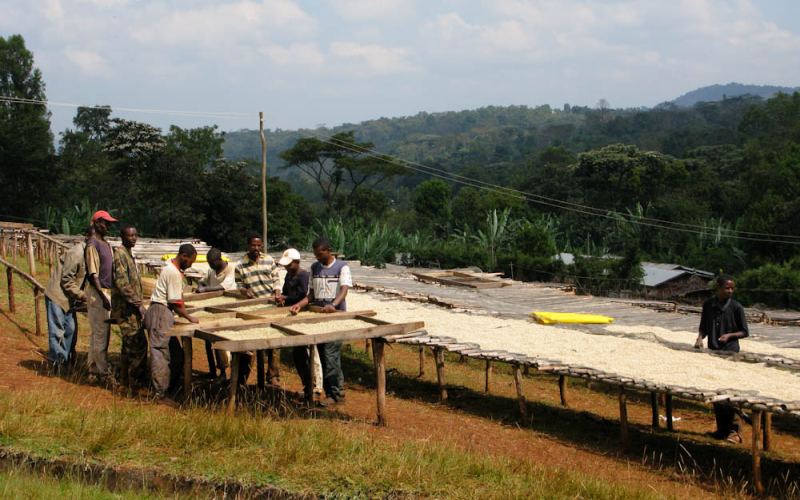
Yirgacheffe Drip Coffee | How Are Ethiopian Yirgacheffe Coffee Beans Named? Recommended High-Value Floral and Fruity Drip Coffee Bags Every Office Worker Should Buy
For those who are just getting into specialty coffee, we usually recommend everyday drinking coffee that is tasty and affordable. If you're thinking about convenience for carrying to the office or brewing at work, we suggest buying everyday drip bags, such as the Front Street Yirgacheffe everyday drip bags that are highly favored by coffee lovers. What is Yirgacheffe? "Yirga [more…]

Home Americano Coffee Beans: Balancing Budget and Drinking Frequency
From bean to cup, a coffee still has to go through grinding and extraction. When it comes to home-use Americano coffee beans, your daily buying decisions need to take into account how fast you drink it, how much to buy at a time, and whether your household mainly makes black coffee or milk coffee. First confirm your usual equipment and preferred taste, then compare specific beans—your actual practice will have clearer direction. [more…]
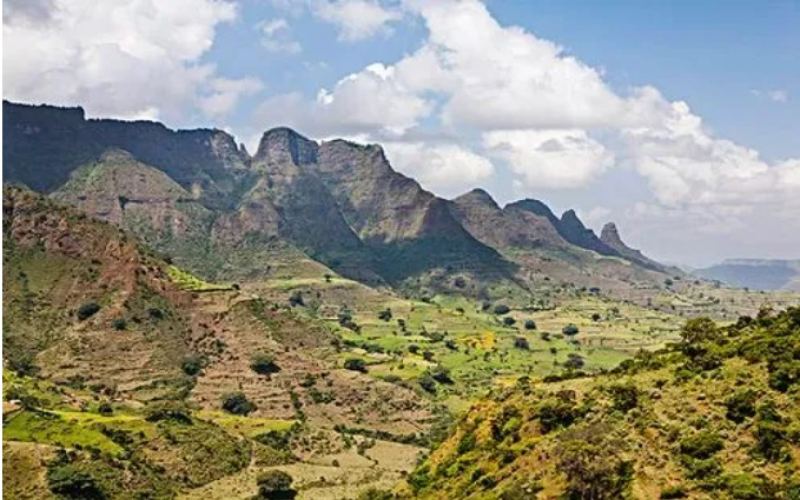
Yirgacheffe Coffee Beans | Introduction to the Coffee Flavor and Producing Region of Medium-Light Roasted Ethiopian Yirgacheffe
Adding sugar and milk has become a coffee drinking habit formed over the past nearly hundred years, because Mandheling, Brazil, Colombia, and Blue Mountain have all traditionally used dark roasting. Yirgacheffe beans are small, and the fruity acidity of light-roasted coffee has opened a new coffee world. The African continent is vast, with an average elevation of 75 [more…]
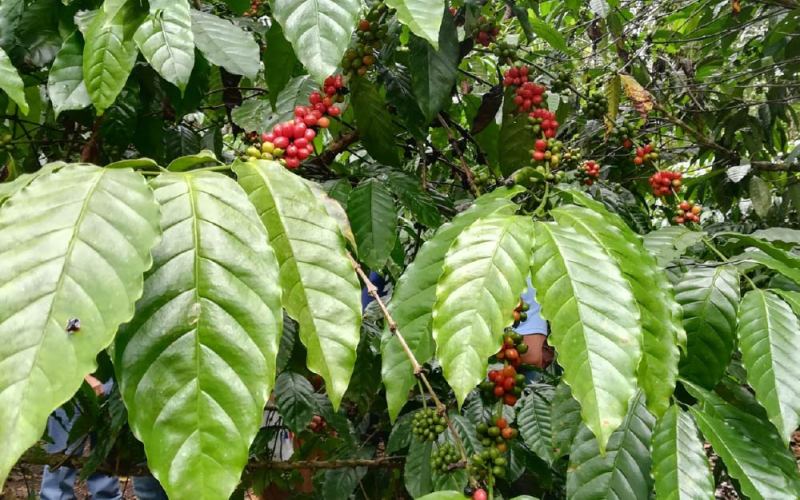
Panama Geisha Beans | What Are the Flavor Characteristics of Geisha from the Boquete Region? Must-Buy Recommendations for Newbies: Great-Tasting, Affordable Geisha Pour-Over Coffee Bean Brands
Since Geisha coffee became famous, it has been cultivated in many regions around the world. Geisha coffee is the new king of specialty coffee, with the highest quality and most expensive beans produced in South American countries such as Panama, Guatemala, and Colombia, among which Panamanian Geisha is the most renowned. Although many origins now grow it, [more…]
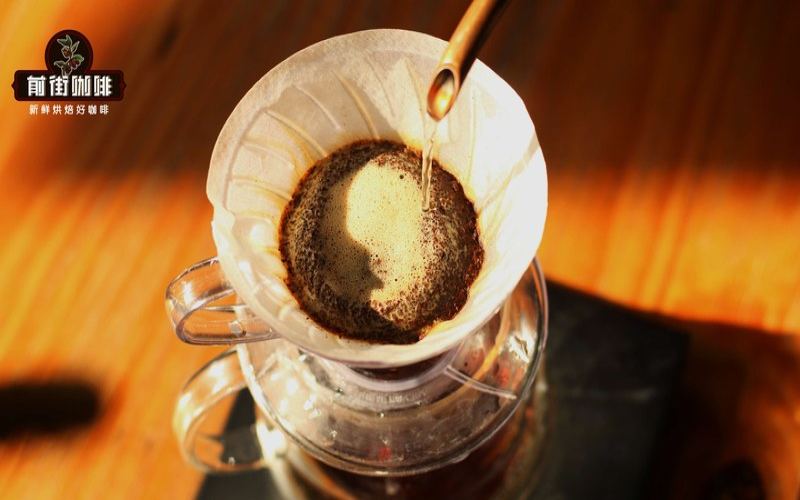
Recommendations for great-tasting Americano coffee beans: balancing budget and drinking frequency
A good-tasting Americano coffee bean isn't something you can pin down just by memorizing a few names. For everyday bean buying, you need to consider how fast you'll go through them, how much to buy at once, and whether your home setup is mainly for black coffee or milk drinks. What's genuinely useful for reference is the sweet-to-sour ratio when it hits your palate, the body's thickness or thinness, and the finish once it cools—then combine that with your brewing habits, and your options become [more…]
Brazil · Mogiana and Bahia: A Specialty Experiment Field
Mogiana and Bahia are two other important specialty coffee regions in Brazil. Mogiana is known for its traditional natural process, while Bahia is a pioneer of specialty coffee experiments in Brazil. This article introduces you to the characteristics of these two regions. [more…]
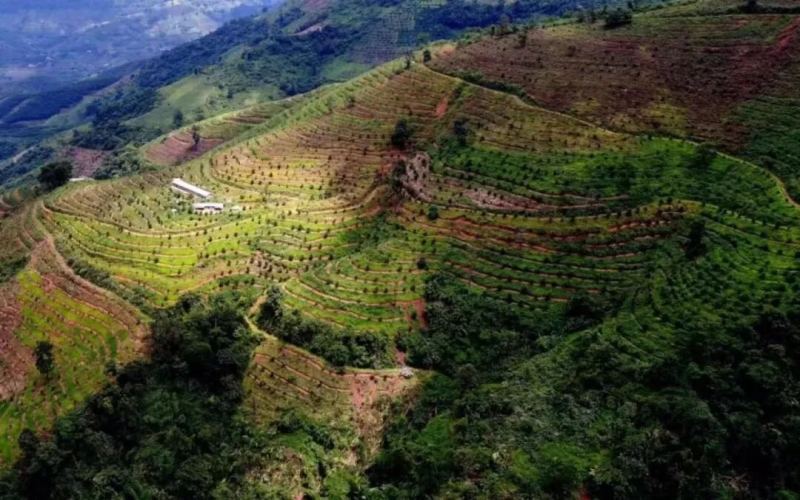
Yunnan Coffee | Where is China's coffee-producing region? Why is Yunnan suitable for growing Arabica? What are the characteristics of Yunnan coffee varieties?
Front Street Coffee has learned that most people, when they first get into specialty coffee, start with Africa's Ethiopian Yirgacheffe or Sidamo regions, while when it comes to Asian coffee, most people first think of Indonesia's Mandheling coffee beans. But with the rise of the domestic goods trend, Chinese Yunnan coffee has begun [more…]
The Varietal Characteristics of Yunnan Pu'er Small-Bean Coffee and Its Path to Industry Rise
Pu'er, a city that changed its name because of Pu'er tea, is now entering the public eye with a new identity as the "Coffee Capital of China." The Tropic of Cancer passes through it, placing it on the same latitude as Cuba, the kingdom of coffee, and its exceptional climate conditions make it an ideal growing region for Arabica coffee. From Nestlé's arrival and layout in 1988 to today, when international giants such as Starbucks and Kraft are competing to purchase its beans, Pu'er's coffee industry has gone through more than thirty years. Through vivid details such as coffee farmer Zhang Kui's cultivation story, technical assistance from international experts, and cup quality control, this article presents the varietal advantages, current state of the industry, and future business opportunities of Pu'er Arabica coffee, while also introducing Front Street Coffee's continued attention to and recommendations for Yunnan coffee. [more…]